
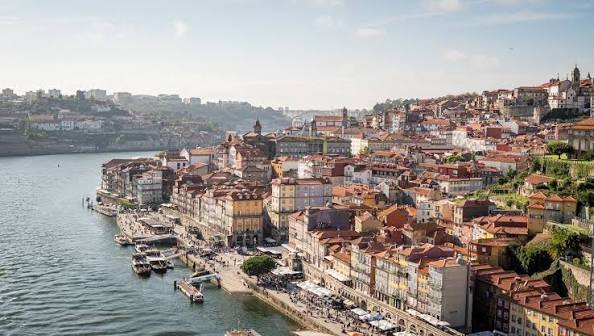

Picture day six of a ten-day trip. You are in the Douro Valley, your suitcases were supposed to be in Lisbon by now, and the next hotel is a long drive away on a road that looked short on the map.
A local specialist exists for exactly that moment, and the good ones make sure it never arrives. They plan the route, arrange the transport between stops, book the guides and pick up the phone when something changes. If your trip crosses more than two regions of Portugal, that is the part worth handing over.
Where multi-stop trips actually go wrong
Portugal looks small, and that is the trap. Porto, Lisbon and the Algarve are three different trips, each with its own rhythm, and the distances between them eat whole afternoons. Add hotel check-in times that do not match your arrival, suitcases that change city every other day, and villages that public transport barely reaches, and the friction shows up between the stops rather than at them.
Most problems come from the same two habits. People pack in one stop too many, and they book flights, hotels and transport separately, so nothing is connected when a single piece moves.
What you hand over, and what you keep
Hand over the logistics: the order of the stops, the transfers, the timing of visits, the guides. Keep the decisions that make the trip yours: how fast you want to go, what you refuse to skip, how much free time you need.
A trip usually improves when you remove a stop, not when you add one. A specialist who tells you that is worth more than one who agrees with the first draft.
Do you need one at all?
If you are spending a long weekend in one city and traveling light, no. Trains and taxis will do. If you are driving yourself through two regions and enjoy it, probably not either.
It starts to pay off with three or more regions in a short time, with a group or a family, with a milestone trip where small problems feel big, and for travel agents building programs for clients, who would otherwise manage a dozen suppliers for one itinerary.
Five questions that separate an operator from a booking page
- Is the company licensed as a tour operator or destination management company in Portugal?
- Is there a local team, and which languages does it work in?
- What exactly is included: transport, guides, entrance fees, accommodation?
- Who do you call when something changes, and when does that person pick up?
- How is the price built? A straight answer explains it by group size, days and services.
One example of how a local operator works
Terrano Travel is a licensed destination management company and tour operator based in Rio de Mouro, Portugal. It works across the country and covers ground services, tourism programs, attractions and excursions, private transfers and licensed multilingual guiding. The team works in English, Spanish, Portuguese and French and supports travel agencies and group organizers, as well as independent travelers who want a trip built around their own interests.
Whoever you choose, send each operator the same four lines and compare what comes back: the regions, the number of nights, the pace you want, and who is traveling.

Jaxon is the voice behind Namez Home, bringing creative name ideas, meanings, and naming inspiration to audiences worldwide.